A Designer's Review of Doodle Dot Characters Graphics
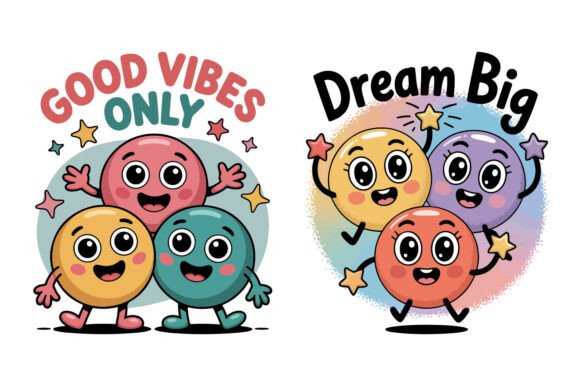
From my desk, reviewing hundreds of design assets for real publishing work, the first impression of Doodle Dot Characters SVG clipart is immediate: playful editorial energy. It creates a mood of creative possibility and lighthearted engagement. This isn't a sterile corporate asset; it feels artistic, modern, and intentionally decorative. The style naturally supports content niches centered around creativity, education, crafts, small business branding for makers, lifestyle blogging, and any online space that values a visual touch of personality.
This Clipart & Your Editorial Layout
How does this graphic design asset translate from a download folder to a live website? Its vector nature means it scales perfectly for the myriad graphics a publisher needs daily. Imagine crafting a featured image for a blog post about “10 Creative Project Ideas.” The doodle characters can frame the headline, adding visual hierarchy and pulling the reader’s eye directly to the title. For a Pinterest pin promoting a digital guide on crafting, these illustrations become the central, clickable visual element, promising a fun, valuable resource. In a newsletter banner announcing a new printable worksheet series, they signal a hands-on, creative download.
This asset excels in creating consistent branding across a content suite. Use the same dot character set on your blog graphics, your lead magnet eBook cover, your downloadable worksheet headers, and your social media previews for affiliate content. This repetition builds a stronger visual identity and improves category recognition—your audience begins to associate this playful style with your content’s value.
Publishing Workflow Integration: Real Use Cases
Let’s walk through a real publishing week. Monday: you’re designing a hero image for a new article. The doodle characters add a decorative accent beside your headline, making the page look polished and professionally crafted. Tuesday: you’re batch-creating Pinterest graphics for older posts. These illustrations provide a fresh, cohesive look for all your pins, boosting click-through potential. Wednesday: you’re assembling a media kit or digital product sales page. The graphics lend a trustworthy, creative aesthetic to the page. Thursday: you’re building a Canva template for a recurring newsletter header. The clipart becomes a reusable design asset ensuring every issue starts with a strong first impression. Friday: you’re creating visuals for a series of Instagram posts about an upcoming workshop. The characters provide instantly recognizable, shareable art.
Where These Graphics Build Reader Trust & Performance
In content marketing, visual polish directly impacts perceived credibility. Sloppy, generic blog graphics can undermine your authority. A well-integrated, high-quality set of illustrations like this tells your reader you invest in your presentation. It supports clearer visual hierarchy on a page, guiding the eye. When used in affiliate marketing visuals or promotional content for digital downloads, the professional craft of the asset makes the offer feel more legitimate. For online educators, these graphics can transform a simple text-based digital guide into an engaging, visually structured experience.
Optimal Applications for Blog & Website Design
The sweet spot for this clipart is in editorial accents and category visuals. It works brilliantly for:
- Blog featured images and article thumbnails.
- Pinterest pins and social media graphics.
- Website headers for creative project categories.
- Newsletter headers and email graphics.
- Lead magnets like downloadable printables and worksheets.
- Digital product covers for eBooks or templates.
- Content upgrades and resource library icons.
Publisher Notes: Practical Implementation Checks
Before hitting publish, run these practical tests. Preview it inside your actual blog layout, not just in isolation. Check how it looks as a tiny mobile thumbnail—do the details hold up? Test it with your headline text overlayed; ensure contrast and readability. Try it on both dark and light backgrounds. Place it beside your standard font styles—serif, sans-serif, script—to see which pairing feels most cohesive. Since these are for web design, confirm the file size is manageable for performance; compress any exported PNGs properly. Crucially, for monetized websites, affiliate pages, or paid content products, always confirm the commercial license allows your intended use. This is a non-negotiable step for any commercial design work.
When to Apply This Asset with Care
Its playful, decorative nature means it should be used thoughtfully in certain contexts. Avoid using it as a small graphic on text-heavy blog images where it might become visual clutter. On low-contrast or already busy layouts, it could lose impact. For serious professional niches like corporate finance or legal content, it would likely feel incongruous. Websites that require a very minimal, austere visual system might find it too bold. The key is alignment: the asset should match the editorial mood you’re cultivating.
The Final Take for Content Creators
The Doodle Dot Characters clipart set is more than just a folder of SVG files. From the perspective of a blog designer needing to elevate everyday content, it’s a versatile tool for visual communication. It helps transform standard posts into engaging pages, supports the creation of a recognizable brand across platforms, and ultimately crafts content that looks professional, clickable, and trustworthy. For the creative entrepreneur, small business owner, or digital publisher looking to level up their project visuals, this kind of thoughtfully designed graphic asset is a direct investment in how your audience sees and values your work.